For a patient living in Virginia and suffering from any form of chronic illness, obtaining a medical cannabis card could be the best thing to do for oneself. With the introduction of the medical cannabis program in Virginia, you will have access to the plant legally in several instances, apart from other perks that are reserved exclusively for medical patients. If you want to learn more about acquiring a medical card, then continue reading.
The laws surrounding cannabis in the Old Dominion have shifted significantly over the last few years. Many residents and visitors are still confused about what they can and cannot do. If you are standing on the lawn of the State Capitol in Richmond or enjoying the breeze at the Virginia Beach oceanfront, you might be asking: Is Marijuana Legal in Virginia 2026? The short answer is yes, but there are very specific rules you must follow to stay on the right side of the law. While adult possession is legal, the way you acquire cannabis still matters deeply for your legal safety and health.
In 2026, Virginia remains in a unique position. Unlike some of our neighbors, the state has legalized the use of cannabis for adults. However, the “retail market” for recreational use has faced many delays in the General Assembly.
This means that while you can legally have it, finding a place to buy it legally is a different story. For most Virginians living in everything from cozy bungalows in Roanoke to high-rise apartments in Rosslyn, the medical program is the most reliable path to legal access.
As of 2026, the laws regarding what you can carry remain consistent with the changes started in 2021. Adults who are twenty-one years of age or older can legally possess up to one ounce of cannabis in public. If you are caught with more than that, you could face civil or criminal penalties depending on the amount.
It is important to remember that “public” means anywhere the general public has access. This includes sidewalks in Old Town Alexandria, state parks like First Landing, and the parking lots of shopping centers in Tysons. Even though possession is legal, using cannabis in these public spaces is still against the law. You should keep your use restricted to private property, such as your home or a friend’s backyard.
Virginia takes road safety very seriously. Whether you are navigating the heavy traffic on I-66 or driving through the winding roads of the Shenandoah Valley, never drive while impaired.
It is illegal to consume cannabis while driving or even to have an “open container” in the passenger area of your vehicle. The best practice is to keep any cannabis products in the trunk or a locked glove box while you are on the road.
One of the most popular parts of the law for residents in places like Lynchburg or Blacksburg is the right to grow at home. Every household in Virginia is allowed to grow up to four plants. This is a great option for those who live in single-family homes with a bit of yard space or a sturdy basement.
However, there are strict rules for home growers:
While growing at home is a fun hobby, the humid Virginia summers can make it difficult to prevent mold and pests. Many people find that growing high-quality, clean cannabis is harder than it looks. This is why many still look toward professional dispensaries for their needs.
If you drive through cities like Richmond or Norfolk, you might see shops selling “hemp” or “CBD” products. However, you won’t see many recreational “marijuana stores” like you might see in Maryland or Colorado. This is because the Virginia legislature has not yet fully launched the adult-use retail market.
Because of this gap, many people wonder, “Is Marijuana Legal in Virginia 2026?” when they realize they can’t simply walk into a store and buy a pack of gummies. Currently, the only stores that are legally allowed to sell high-THC cannabis products are medical dispensaries.
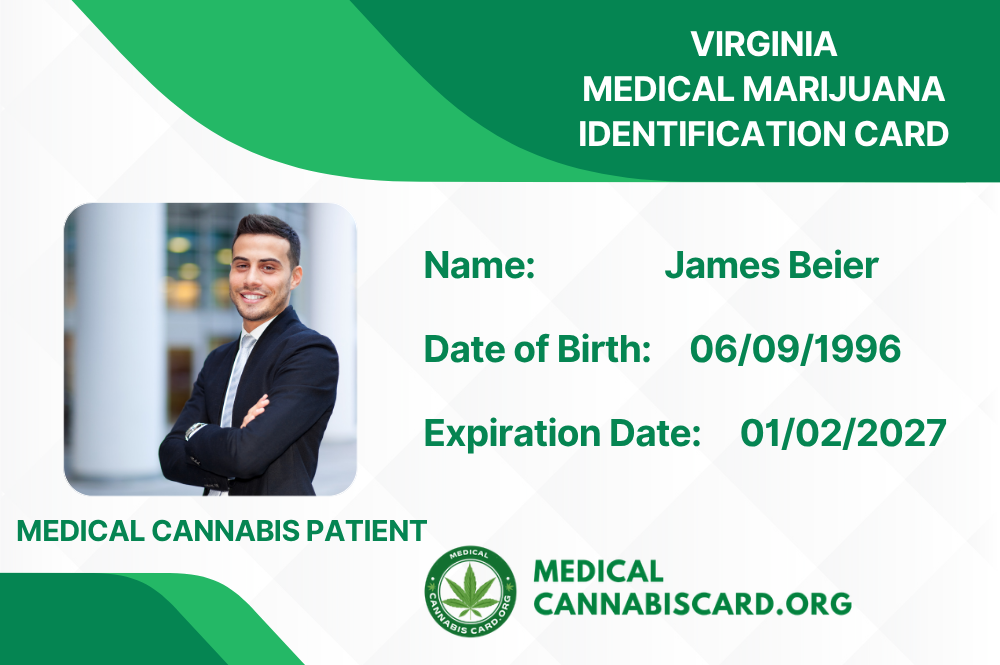
To enter these stores and make a purchase, you must have a written certification from a licensed health professional.
The medical cannabis program is the backbone of legal access in Virginia. Since the recreational market is not yet fully open, the medical program serves as the only way to get lab-tested, safe products.
One of the biggest benefits of the medical program is safety. Products sold in medical dispensaries must pass strict testing. They are checked for heavy metals, pesticides, and mold.
For a patient living in the damp, humid Tidewater region, knowing their medicine is free of mold is a huge relief. Furthermore, medical patients have specific legal protections at work that recreational users do not enjoy.
Elena is a thirty-two-year-old teacher living in a charming Cape Cod-style home in Charlottesville. She suffers from chronic back pain from an old injury. While she knew she could technically “gift” cannabis from a friend, she was worried about the quality and the legality of her job.
Elena asked her friends, “Is Marijuana Legal in Virginia 2026?” and learned about the medical program. She got her certification online through a telehealth visit. Now, she visits a dispensary in Richmond once a month. She knows exactly what is in her medicine, and she has a doctor’s note that protects her if her school ever asks questions about her treatment.
In Virginia, being a medical patient gives you “shield” protections. Under state law HB 1862, most employers cannot fire you or take disciplinary action against you for using cannabis oil during your off-hours, as long as you have a valid certification. This is a game-changer for people working in the tech hubs of Northern Virginia or the industrial zones of Roanoke.
For housing, things are a bit more complex. If you live in federally subsidized housing, cannabis is still illegal at the federal level. However, for most private rentals in the Commonwealth, having a medical certification can provide a stronger argument for “reasonable accommodation” if you need the medicine for a disability.
Life in Virginia varies wildly depending on where you are. The laws apply to everyone, but the lifestyle of use changes.
For those dealing with the daily grind of the D.C. commute, stress and insomnia are common. Many residents in Arlington and Fairfax use medical cannabis to unwind after a long day in traffic.
Because they have certifications, they don’t have to worry about the legal “gray market” or “gifting shops” that often get shut down by local police.
In areas like Harrisonburg or Abingdon, life is lived outdoors. Hikers and bikers often use cannabis topicals for muscle recovery after a day on the trails. The medical program allows them to access creams and balms that are much more effective than over-the-counter options.
The salt air and high humidity of the coast can make certain health conditions, like arthritis, feel worse. Coastal residents often prefer tinctures and edibles that provide long-lasting relief without the need to smoke or vape, which is better for their lung health in the salty air.
Even though we can say “Is Marijuana Legal in Virginia 2026?” with a yes, you must remain smart. The legal landscape is always changing. Here are a few tips to stay safe:
By 2026, the medical program will have become the gold standard for access. It offers the best products, the best legal protection, and the best guidance from health professionals. Whether you are a long-time resident or a newcomer to the Commonwealth, understanding these rules is the key to a safe and healthy experience.
So, Is Marijuana Legal in Virginia in 2026? Yes, it is, and the medical program is the best way to enjoy that freedom safely.
https://norml.org/laws/medical-laws/virginia-medical-marijuana-law/